Contact us here to plan your future trip to French Polynesia

French Polynesia
Travel Tips 2026 —
Everything You Need to Know
We live on Moorea. We've been travelling between the islands of French Polynesia for years — accompanying visitors, vetting hotels, running excursions, speaking to locals every day. The questions we get most often aren't about which beach to go to. They're the practical ones: can I pay by card? Is the water safe to drink? Do I need a SIM card? Are there sharks? Is Papeete safe at night?
This guide answers all of them — honestly, from the ground, without the glossy brochure version.
Money, Cards & XPF — What You Need to Know
Can I pay by card in French Polynesia?
Yes — credit and debit cards are accepted almost everywhere: restaurants, hotels, excursion operators, bars, supermarkets. In the main tourist areas (Tahiti, Moorea, Bora Bora), card payment works smoothly. You won't have problems in any established business.
Cards are fine for everything formal — but for everyday small spending, cash is useful. Think: filling up a scooter or car with petrol, buying fruit from a roadside stall, paying a local snack bar, giving tips to a boat driver. For these situations, having a few thousand XPF on hand saves a lot of friction.
What currency is used in French Polynesia?
The local currency is the XPF (Pacific franc / Franc Pacifique). The exchange rate is fixed to the euro (1 EUR ≈ 119 XPF). One important thing that surprises many visitors: US dollars are accepted almost everywhere — often more readily than euros. If you have USD, you can use them directly in most tourist contexts. Euros are less common outside of hotels.
ATMs & cash withdrawal
ATMs are available in all the main islands — Tahiti, Moorea, Bora Bora, Huahine, Raiatea. There is even an ATM at Papeete Faa'a airport on arrival — you can withdraw XPF the moment you land. On smaller islands (Tikehau, Maupiti, remote Tuamotu), ATMs are rarer or unreliable. Our advice: withdraw enough cash when you arrive in Papeete or before leaving for a remote island.
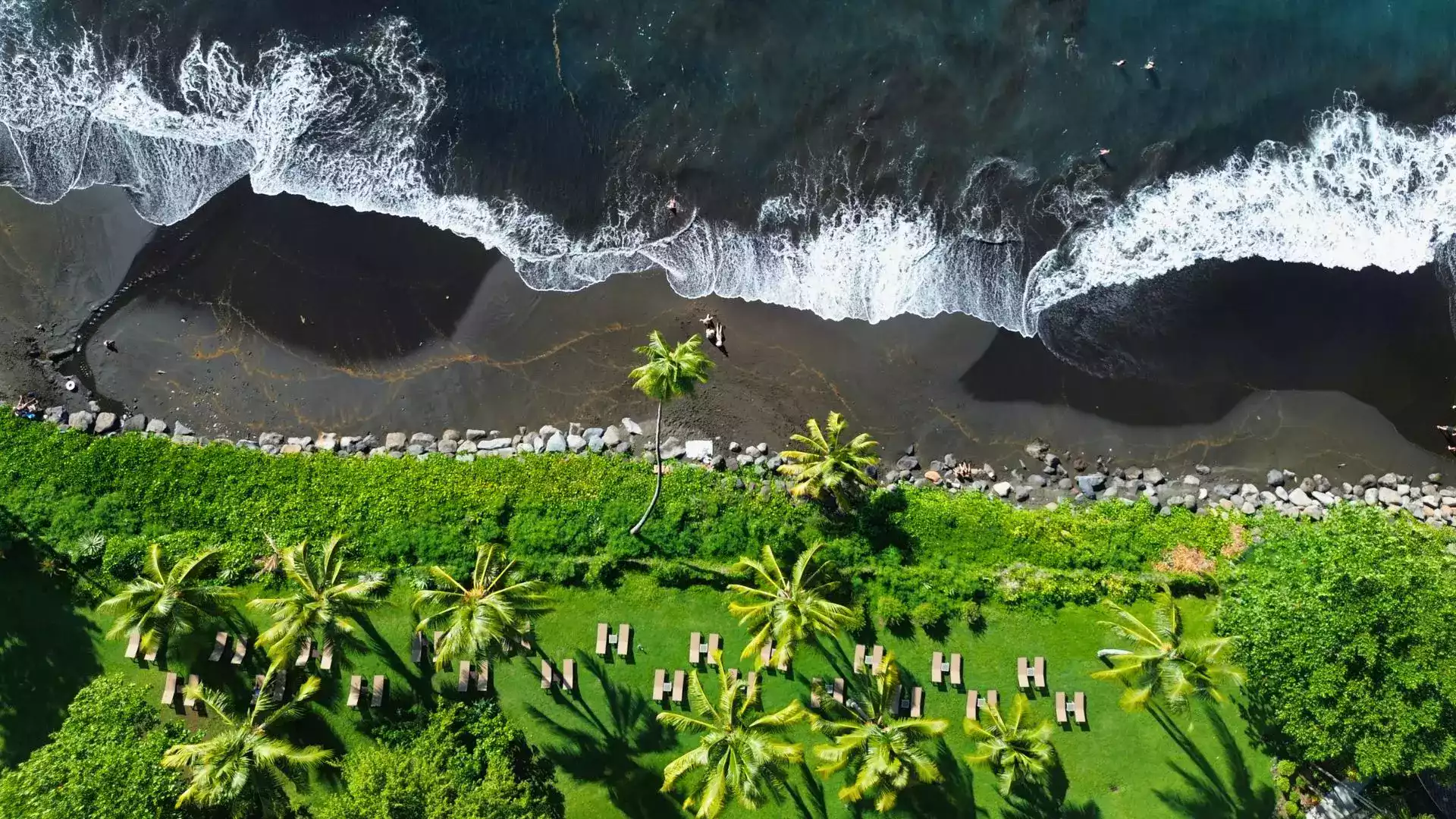
Tahiti — ATMs available at the airport on arrival. Withdraw some XPF before heading to smaller islands.
WiFi & SIM Cards in French Polynesia
Is WiFi good in French Polynesia?
WiFi quality varies by island. On the main islands — Tahiti, Moorea and Bora Bora — WiFi in hotels works well and 4G coverage is solid. The further you go from the main islands, the patchier connectivity becomes. On smaller islands like Huahine, Raiatea or the Tuamotu atolls, WiFi exists but can be slower and less reliable. That said, for most travellers visiting the Society Islands, connectivity is comfortable enough — you can check emails, use maps and make calls without issues.
French Polynesia is one of the few places left where being slightly disconnected feels natural — and wonderful. Some of our favourite moments on remote islands came from being genuinely offline for a few days. Don't stress about WiFi speed. Embrace it.
Which SIM card to buy in French Polynesia?
The best local SIM — or rather eSIM — is Vini. It's the local operator with the best island coverage across French Polynesia. We recommend buying an eSIM before you travel if your phone supports it — you can activate it as soon as you land without needing to find a shop. Vini has the widest network, particularly useful if you're visiting several islands.
If your phone supports eSIM (most recent iPhones and Android phones do), buy a Vini eSIM online before your trip. You'll have data from the moment you arrive, without queuing at a shop in Papeete.
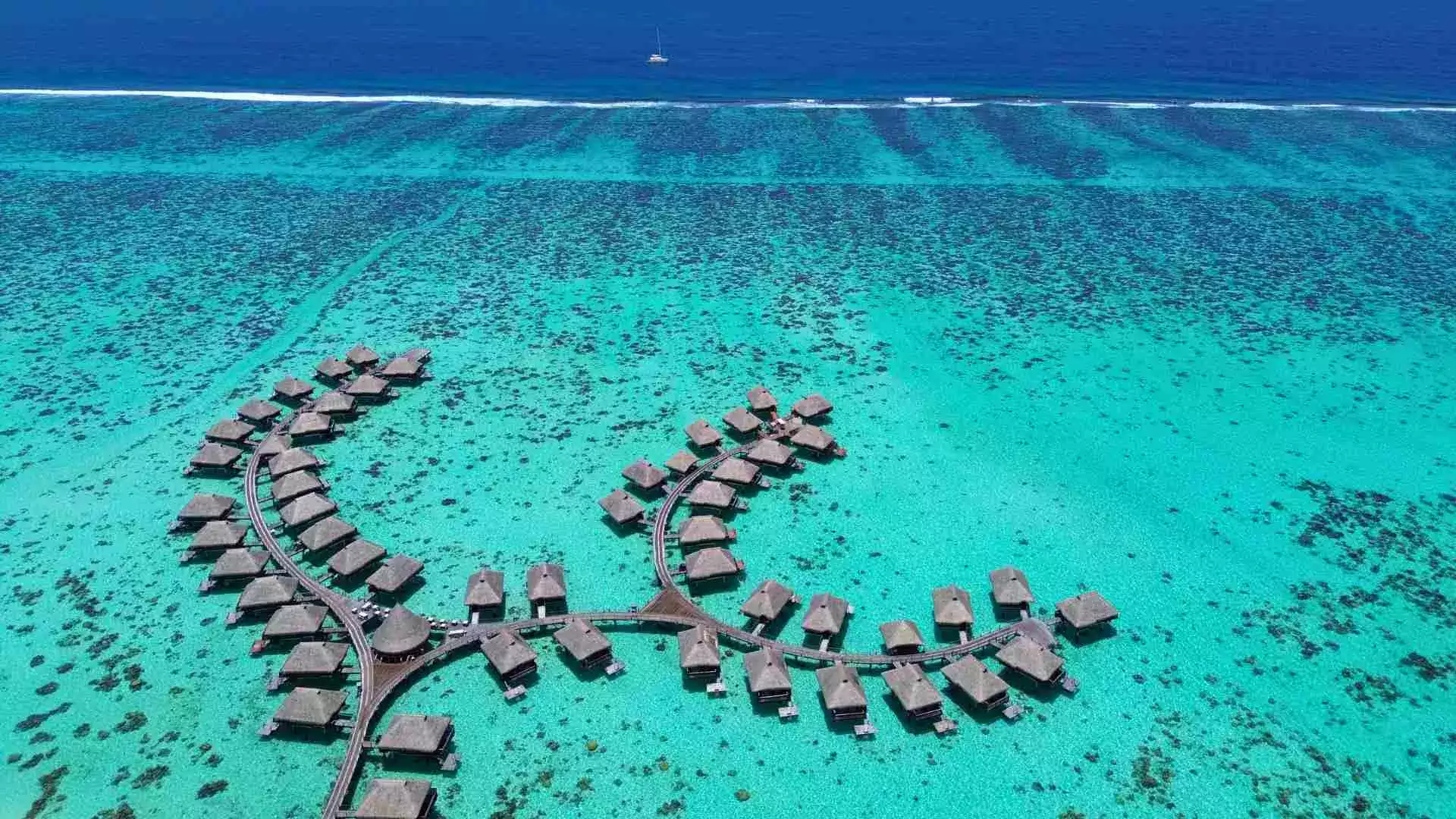
Moorea — WiFi works well in hotels on the main islands. On remote atolls, expect slower connections.
Water, Health & Mosquitoes in French Polynesia
Is tap water safe to drink in French Polynesia?
On the main islands (Tahiti, Moorea, Bora Bora), tap water is generally drinkable — but we recommend always asking your hotel or accommodation specifically whether the water is safe to drink. If they don't confirm it explicitly, drink bottled water. On smaller and more remote islands, opt for bottled water by default. It's cheap, widely available and not worth the risk.
Do I need vaccinations for French Polynesia?
No specific vaccinations are required or strongly recommended for French Polynesia. It is a French territory with good healthcare standards. Make sure your standard vaccinations (tetanus, hepatitis A/B) are up to date, but there is no mandatory vaccination requirement to enter.
Dengue fever — is it a real risk?
Yes — dengue does occur in French Polynesia, particularly during the rainy season (November to April). Dengue is transmitted by mosquitoes, so mosquito repellent is essential. Use it every day, especially at dawn and dusk when mosquitoes are most active. In hotels, air conditioning and mosquito nets help. Don't be paranoid about it — but don't ignore it either.
There are a lot of mosquitoes in French Polynesia, especially during the wet season. Hotels generally treat their rooms and gardens, which helps. Pack a good quality DEET repellent and use it consistently. It's the single most important health precaution for your trip.
Pharmacies & medical care
Pharmacies exist on all the main Society Islands (Tahiti, Moorea, Bora Bora, Huahine, Raiatea) — they stock French pharmaceutical brands so you'll find familiar products. On the Tuamotu atolls and very remote islands, pharmacies are scarce or non-existent. Bring any prescription medication and a basic first-aid kit when visiting remote islands. Medical care is good in Papeete, acceptable on the main islands, very limited elsewhere.
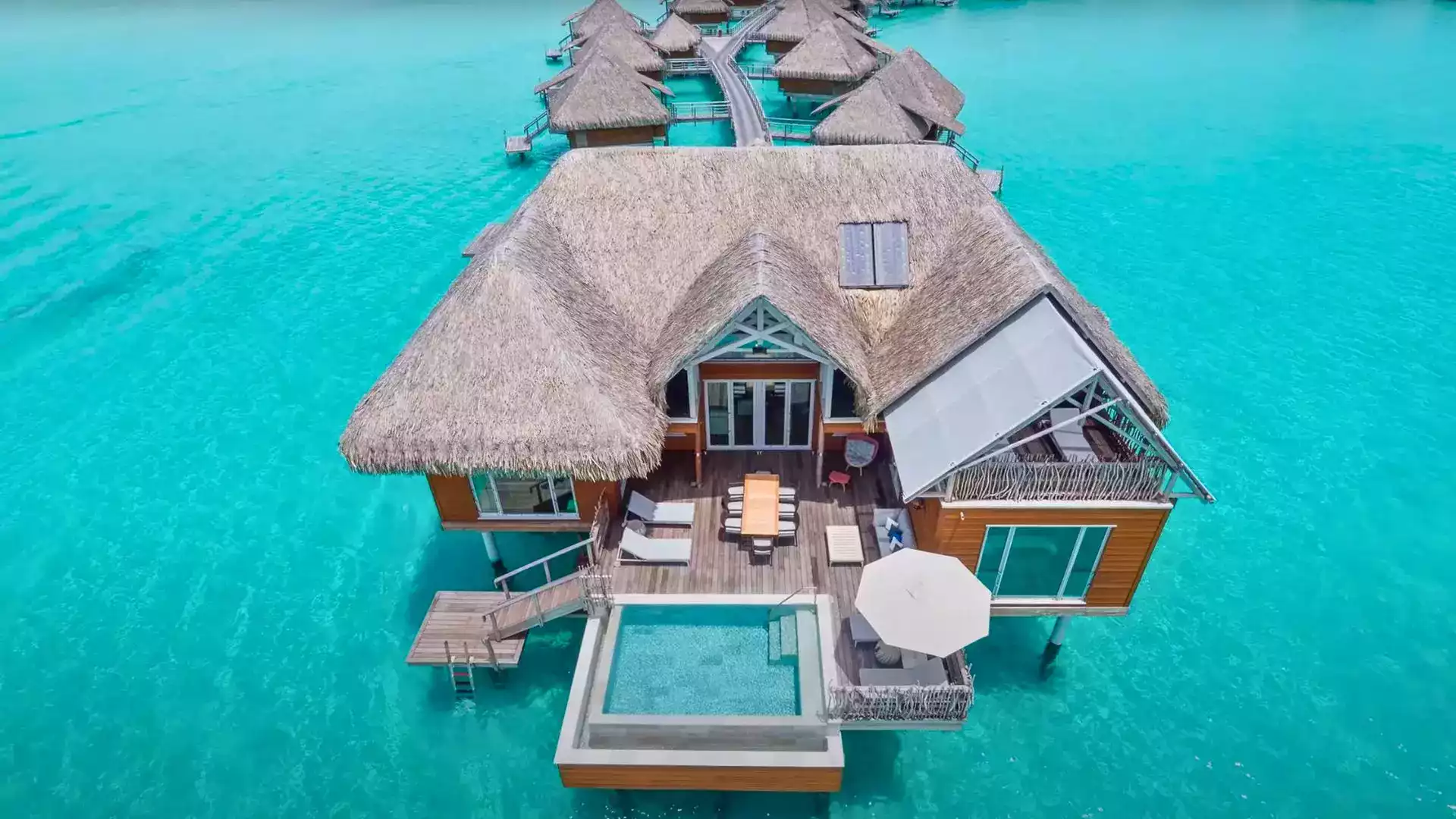
Hotels on the main islands treat their rooms and gardens against mosquitoes — but bring repellent anyway.
Safety in French Polynesia — The Honest Answer
French Polynesia is a safe destination overall. The islands have very low crime rates compared to most international tourist destinations. Theft and violent crime affecting tourists are rare. You can relax.
Is Papeete safe?
Papeete is a real city with real city dynamics — petty theft can happen, as in any urban centre. We recommend the usual common-sense precautions: don't leave valuables visible in a parked car, be aware of your surroundings in busy areas, and avoid wandering alone in Papeete city centre late at night. Take a taxi after dark rather than walking deserted streets. During the day and in tourist areas, Papeete is perfectly safe and lively.
On Moorea, Bora Bora, Huahine and all the other islands, crime affecting tourists is extremely rare. You can walk around freely, leave your shoes outside a restaurant, hire a scooter without anxiety. The Polynesian culture is welcoming and theft from tourists is genuinely uncommon outside the capital.
Sharks, Fish & Marine Life — What You Really Need to Know
Are there dangerous sharks in French Polynesia?
Sharks are everywhere in French Polynesia — but the risk to swimmers and snorkelers is extremely low. The species you'll encounter (blacktip reef sharks, whitetip reef sharks, lemon sharks) are not aggressive towards humans. Swimming with them is actually one of the highlights of a lagoon excursion in Bora Bora or Moorea. Shark attacks on tourists in French Polynesia are almost unheard of. Don't be afraid — be fascinated.
Jellyfish?
Jellyfish are rare in French Polynesia lagoons. You may occasionally encounter them but they are not a significant concern for most visitors.
Sea urchins & water shoes
This is the one we always mention: wear water shoes when walking on the reef or doing water activities near coral. Sea urchins (vana in Tahitian) hide in the coral and rock crevices — stepping on one is painful and requires careful treatment. Water shoes protect your feet and also protect the coral from accidental damage. Many tour operators provide them — check when booking.
It's the travel tip most people ignore and most regret not following. A cheap pair of water shoes weighs almost nothing in a bag and saves you from one of the most common painful experiences in French Polynesia. Buy them before you go.
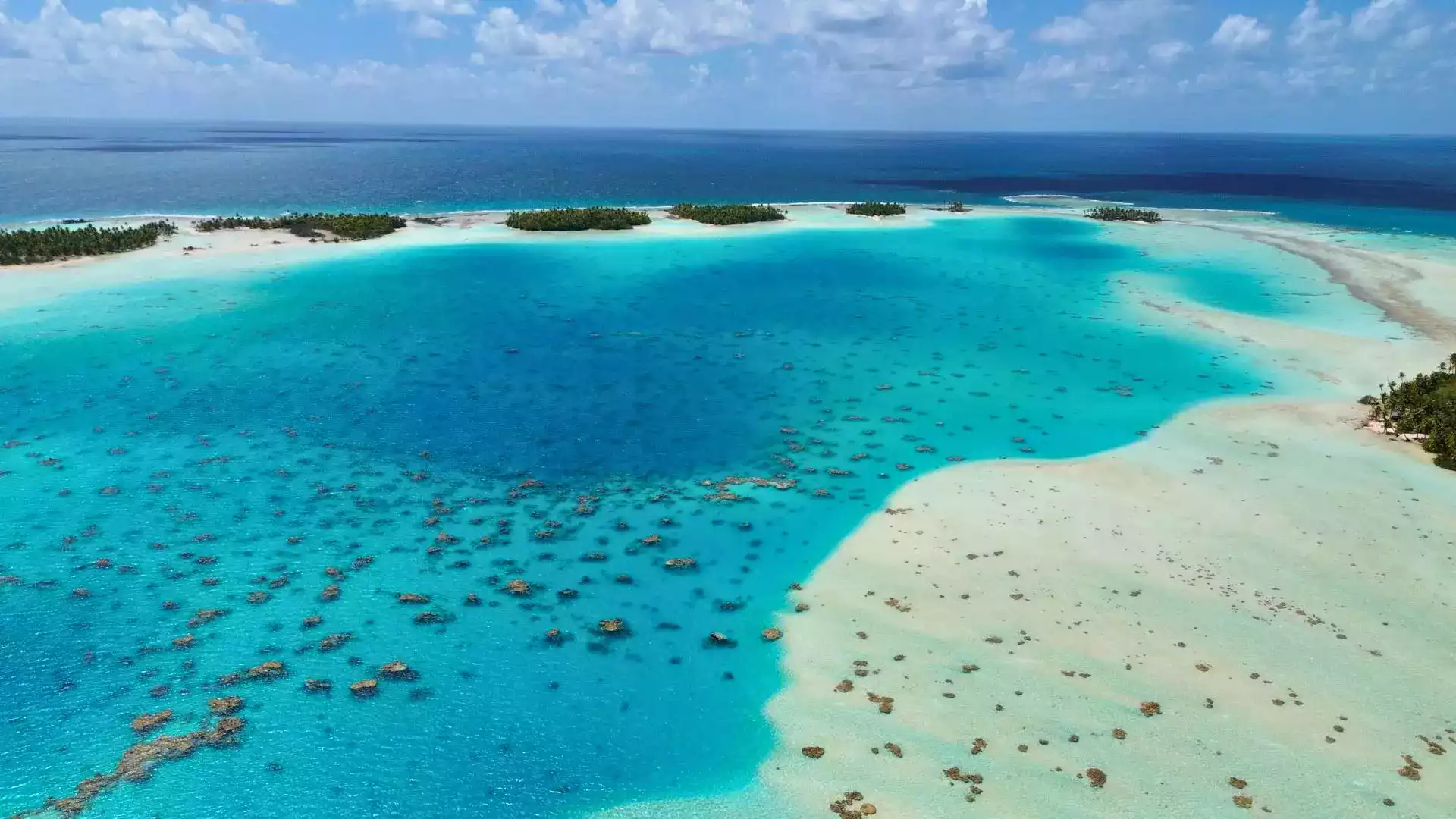
Rangiroa Blue Lagoon — bring water shoes for reef walking. Sharks here are harmless reef sharks.
Practical Tips — Driving, Plugs, Language & More
French Polynesia drives on the right, like France. Road signs are in French. Roads on main islands are paved and in good condition. On smaller islands, some roads are narrow and unpaved — a scooter or small car is ideal.
French-type plugs (Type C/E, 220V). US and UK visitors need an adaptor. French and EU travellers can plug in directly. Bring a universal adaptor to be safe — some remote accommodation may have older socket types.
The local languages are Tahitian and French. In tourist contexts (hotels, tour operators, restaurants), English is widely spoken. Outside tourist areas, French is useful — locals generally speak little English. A few words of French go a long way and are always appreciated.
Tipping is not a local custom in French Polynesia. You won't offend anyone by not tipping, and you won't be expected to. If a guide or experience has been exceptional, a tip is always appreciated — but never obligatory. Don't feel pressured.
No strict dress code. It's hot and humid — people dress accordingly. Shorts, t-shirts, sundresses and swimwear cover 90% of situations. There are no religious or cultural dress restrictions for tourists in French Polynesia. Pack light, breathable clothing.
French Polynesia is UTC-10 (Tahiti Time). That's 10 hours behind London, 12 hours behind Paris, 2-3 hours behind Los Angeles. The jet lag from Europe can be significant — allow a day or two to adjust. Travelling from the US West Coast is much easier.
The sun in French Polynesia is intense — much stronger than in Europe or North America. Bring high SPF waterproof sunscreen (reef-safe where possible), a hat and UV-protective rash guard for water activities. Sunburn on day one is the most common traveller mistake.
Strongly recommended. Medical evacuation from a remote island can be extremely expensive without coverage. Make sure your policy covers overseas medical treatment and emergency repatriation. This is not optional in French Polynesia.
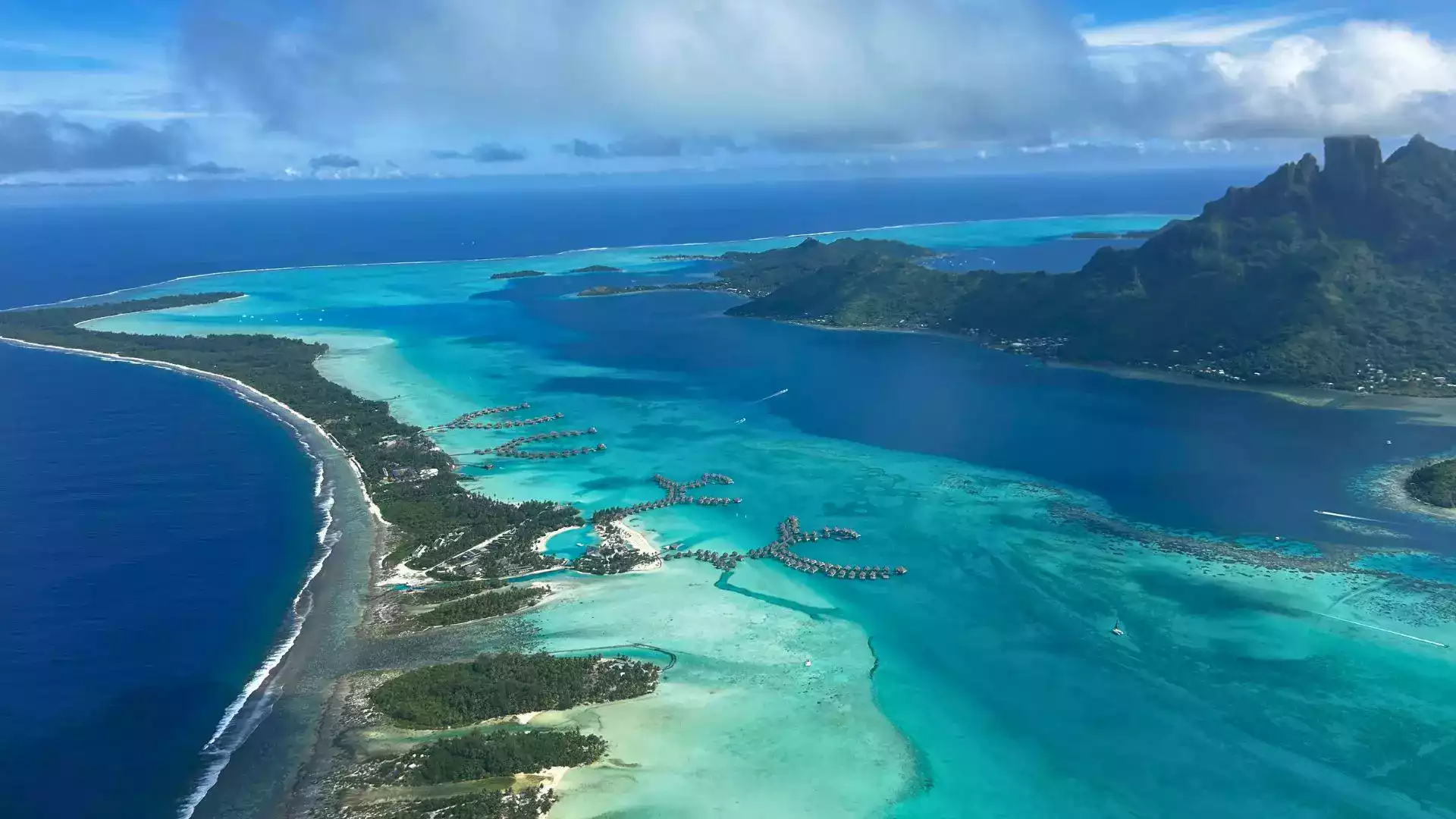
Arriving in French Polynesia — a few practical preparations make all the difference.
FAQ — French Polynesia Travel Tips
Plan Your Trip to French Polynesia
Before you go French Polynesia Visa Requirements 2026 Do you need a visa? Passport requirements, ESTA for US transit and entry documents. Planning Best Time to Visit French Polynesia When to go for the best weather, whale watching season and fewest crowds. Island choice Which Islands to Visit in French Polynesia? Bora Bora, Moorea, Huahine, Rangiroa — our honest decision guide by profile. Itinerary 10 Days in French Polynesia — Complete Itinerary The perfect 10-day circuit, day by day — built from real on-the-ground experience. Last minute Last Minute French Polynesia Summer 2026 Flights, available islands and tips for a last-minute trip this summer.